



What Is a Leasehold Property Interest
A leasehold property interest is a form of real estate ownership that grants a person the right to use and occupy property for a defined period of time under the terms of a lease. Unlike traditional ownership, a leasehold interest does not convey permanent title to the land. Instead, it provides contractual rights that exist for the duration of the lease agreement.
Leasehold interests are commonly used in both residential and commercial real estate transactions and can significantly affect property value, financing, and long-term planning. Understanding how leasehold ownership works is essential before entering into this type of arrangement.
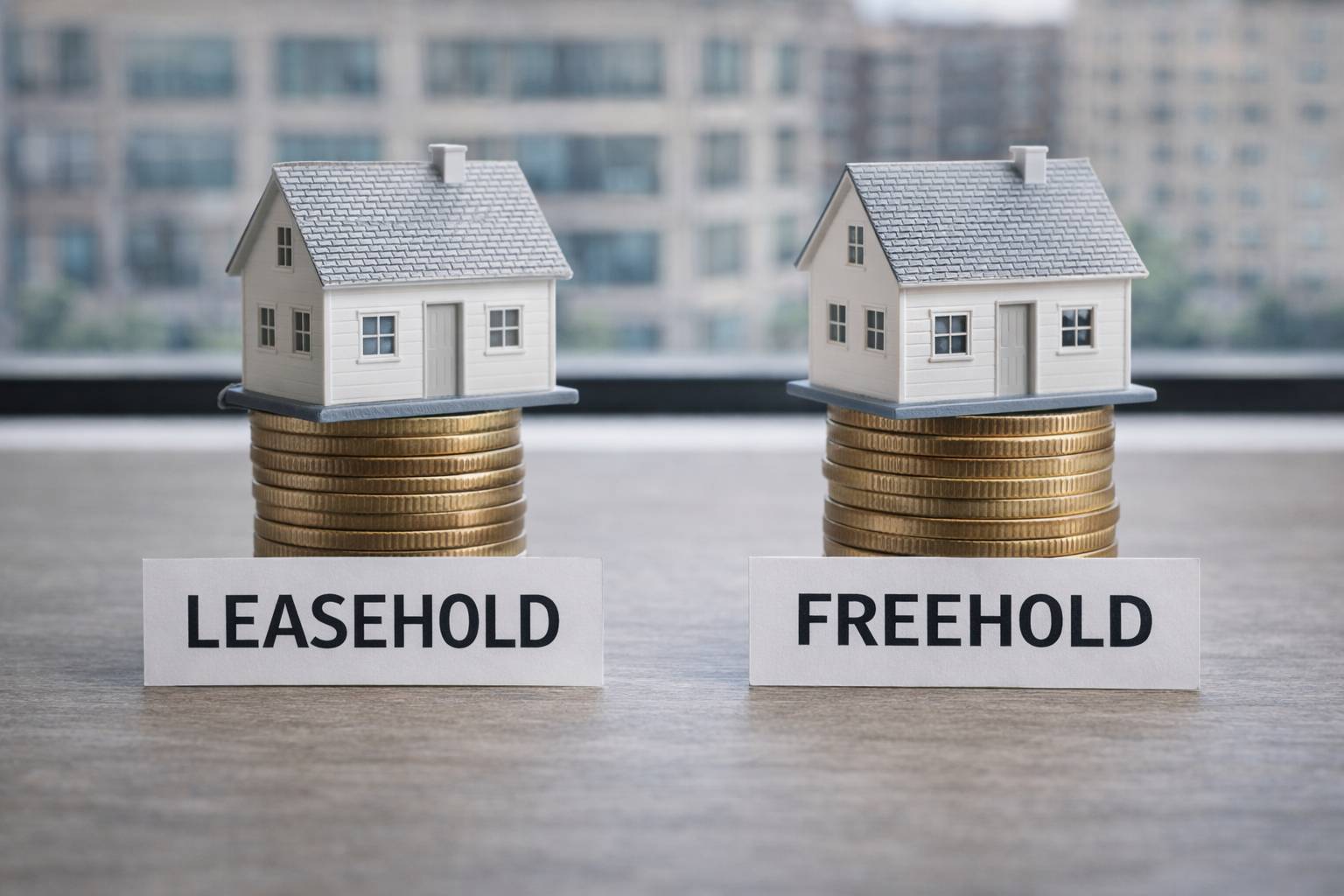
Difference Between Freehold and Leasehold Ownership
Freehold ownership refers to outright ownership of land and any structures on it, with no expiration date. The owner holds title to the property and has the right to sell, transfer, or develop it subject to zoning and regulatory laws.
Leasehold ownership, by contrast, grants possession and use of the property for a fixed term, often for decades, but does not transfer ownership of the land itself. When the lease expires, control of the property typically reverts to the freehold owner unless the lease is renewed or extended.
This distinction affects how property is taxed, financed, and transferred, making it an important legal difference in real estate transactions.
Millie Chaparro
A big shout out to Montanaro Law, PC. It was an easy and great experience. Everything was handled accordingly and precisely the way i expected. Mark and his team are great. I would 100% use them in the future if needed to. I highly recommend his services.
How Leasehold Property Ownership Works
Under a leasehold arrangement, the property owner known as the lessor grants the tenant known as the lessee the right to occupy and use the property for a specified period. The lessee usually pays rent and agrees to comply with the terms of the lease regarding maintenance, permitted uses, and improvements.
Long term leasehold interests may resemble ownership in many respects. The lessee may be responsible for property taxes, insurance, and repairs and may even have the right to transfer or sublease the interest subject to the lease terms.
The rights and responsibilities of the parties depend largely on the language of the lease agreement and applicable state law.
What Types of Improvements Are Allowed on Leasehold Property
Whether improvements may be made to leasehold property depends on the terms of the lease. Some agreements allow tenants to construct buildings or make substantial alterations, while others restrict changes to minor or temporary modifications.
In many cases, improvements made by the lessee become the property of the lessor when the lease ends. This makes it critical to understand who owns the improvements and whether compensation is available at the end of the lease term.
Clear contractual provisions governing construction, maintenance, and removal of improvements help prevent disputes and protect both parties’ interests.
Where Leasehold Properties Are Most Commonly Found
Leasehold properties are commonly found in urban areas, commercial developments, and on land owned by governments, institutions, or large private entities. They are often used in shopping centers, office complexes, and mixed-use developments.
Residential leasehold properties may also exist in cooperative housing arrangements or on land owned by municipalities or trusts. In some markets, leasehold interests are used to make housing more affordable by separating ownership of the structure from ownership of the land.
The prevalence of leasehold arrangements depends on local real estate practices and land use policies.
Key Differences Between a Rental Agreement and a Leasehold Interest
A rental agreement typically involves short-term occupancy with limited rights and responsibilities. The tenant does not acquire any property interest beyond the right to live in or use the space for the rental period.
A leasehold interest, especially one with a long-term lease, can be treated as a form of property ownership. It may be transferable, financeable, and subject to property taxation depending on the jurisdiction and lease terms.
The legal and financial implications of these arrangements differ significantly, making it important to understand which type of interest is being created.
Benefits of Leasehold Property and Who It May Be Best Suited For
Leasehold property can offer lower upfront costs compared to freehold ownership, making it attractive to certain buyers and developers. It can also provide access to desirable locations where landownership is restricted or unavailable.
This type of ownership may be well suited for commercial enterprises seeking long term stability without purchasing land outright or for residential buyers looking for more affordable entry into a competitive market.
However, leasehold ownership also involves risks, including lease expiration, rent increases, and limited control over the underlying land. Careful evaluation of the lease terms and long-term implications is essential.
Get Legal Guidance on Leasehold Property Interests
Leasehold property interests involve complex legal rights and obligations that differ significantly from traditional ownership. Understanding how these arrangements affect property use, improvements, and long-term value is critical before entering into a leasehold transaction.
Contact MontanaroLaw today to schedule a consultation and discuss whether a leasehold property interest is right for your situation and how to protect your rights under New York real estate law.
