


Understanding Power of Attorney Fraud (POA Fraud) in New York
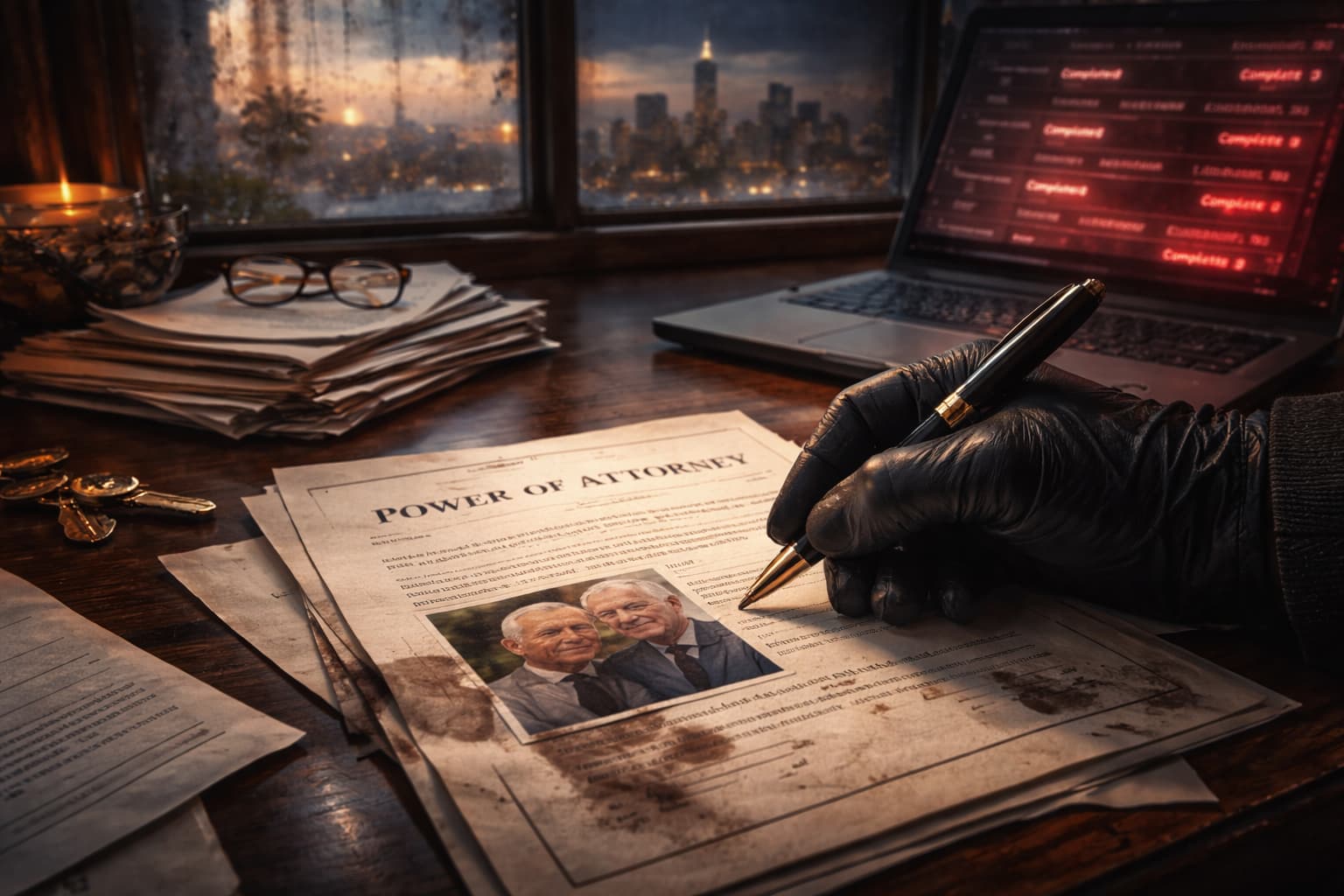
A power of attorney is a powerful legal tool intended to help individuals manage financial and legal matters when they cannot do so themselves. Unfortunately, when misused, it can lead to serious financial harm. Understanding power of attorney fraud in New York is essential for protecting vulnerable individuals and knowing what steps to take if abuse is suspected.
POA fraud often occurs quietly and can go unnoticed until significant damage has already been done.
Understanding Abuse of Power of Attorney
Abuse of a power of attorney occurs when an agent uses their authority for personal benefit rather than acting in the best interests of the principal. In New York, agents have a fiduciary duty to act honestly, loyally, and in accordance with the authority granted in the document.
Common examples of abuse include withdrawing funds for personal use, transferring assets without permission, changing beneficiaries, or failing to keep proper records. Even actions taken with good intentions can constitute abuse if they exceed the authority granted.
Frank Melendez
the best lawyers
Different Types of Power of Attorney
New York recognizes several types of powers of attorney, including durable, non-durable, limited, and springing powers of attorney. Each type grants different levels of authority and becomes effective under different circumstances.
Understanding the type of power of attorney in place is critical when evaluating whether an agent’s actions were authorized or improper.
Legal Penalties for Misusing a Power of Attorney
Misusing a power of attorney can result in serious legal consequences under New York law. An agent who abuses their authority may face civil liability, be required to repay stolen or misused funds, and be removed as an agent.
In more severe cases, POA fraud may lead to criminal charges, particularly when theft, forgery, or elder abuse is involved.
Recognizing and Addressing Power of Attorney Fraud
Signs of POA fraud may include unexplained financial transactions, sudden changes in asset ownership, unpaid bills despite adequate funds, or isolation of the principal from family members.
If abuse is suspected, prompt action is critical. Legal remedies may include revoking the power of attorney, seeking court intervention, demanding an accounting, or pursuing civil or criminal claims, depending on the severity of the misconduct.
Frequently Asked Questions About POA Fraud
Common questions include whether a power of attorney can be revoked, how long an agent remains liable, and what happens if the principal lacks capacity. Each situation depends on the specific facts, the language of the document, and applicable New York law.
Early legal guidance can help clarify options and protect remaining assets.
Get Legal Help for Power of Attorney Abuse
Power of attorney fraud can have devastating financial and emotional consequences. Understanding your rights and available legal remedies is essential when abuse is suspected.
Contact MontanaroLaw today to schedule a consultation and discuss options for addressing power of attorney fraud under New York law.
