


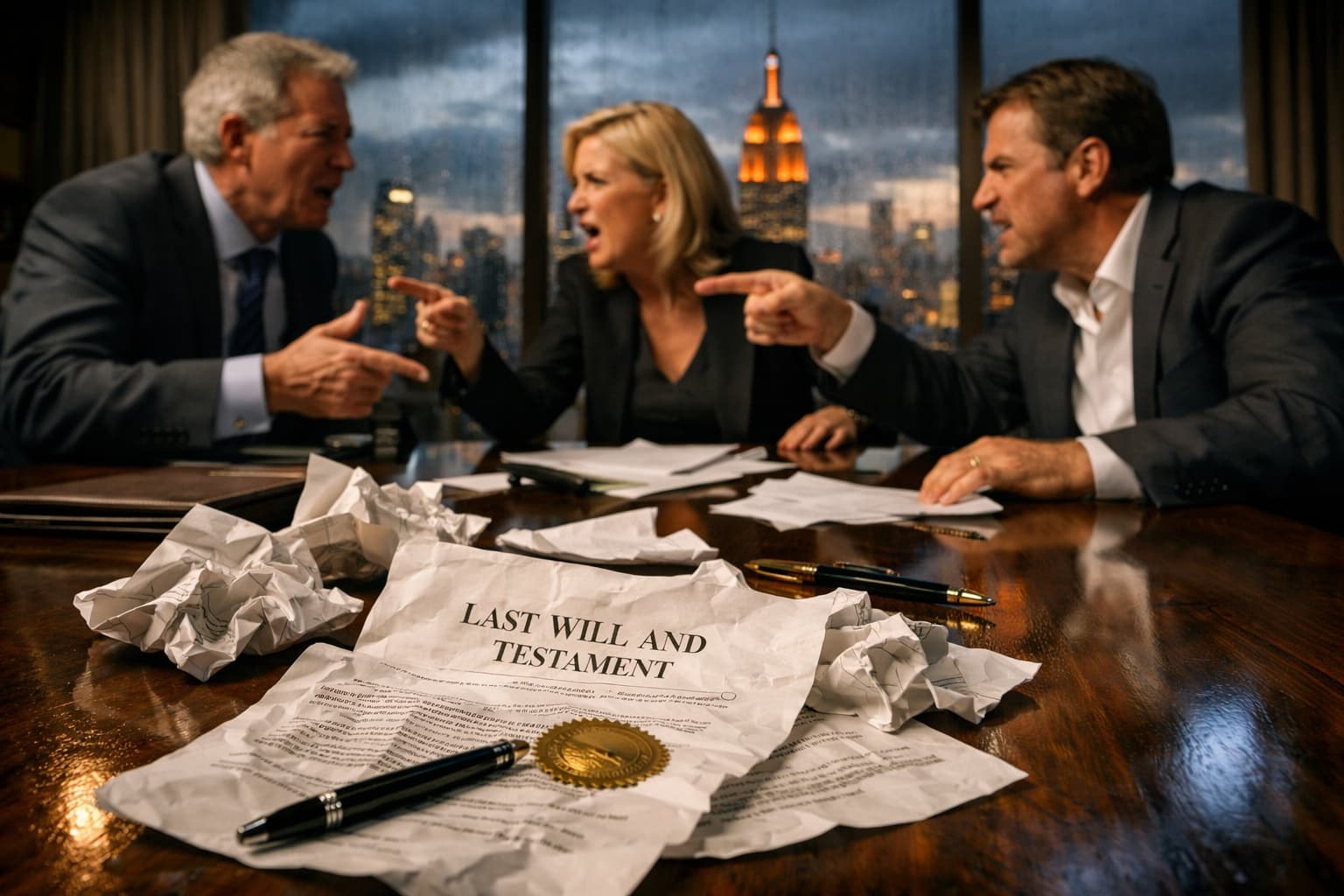

How to Legally Challenge or Dispute a Will in New York
Disputes over a loved one’s will can be emotionally difficult and legally complex. If you believe a will does not reflect the true intentions of the deceased or was created under improper circumstances, you may be wondering how to legally challenge or dispute a will in New York. While New York law allows wills to be contested, strict rules govern who can challenge a will, when a challenge must be filed, and the legal grounds required.
Understanding the process is critical before taking action.
Everything Begins with Establishing Legal Standing
Not everyone has the legal right to challenge a will. In New York, only individuals with legal standing may contest a will. Generally, this includes beneficiaries named in the will, heirs who would inherit under intestacy laws if the will were invalid, or individuals who were beneficiaries under a prior will.
Without proper standing, the court will dismiss the challenge regardless of its merits.
David B Hernandez
Montanorolaw has one the best obligations to their customers on long island
Critical Filing Deadlines for Will Contests in New York
Timing is one of the most important factors in a will contest. In New York, challenges typically arise during the probate process. Once a will is offered for probate in Surrogate’s Court, interested parties must file objections within the timeframe set by the court.
Failing to act promptly can result in losing the right to contest the will, even if valid concerns exist. Acting early is essential.
Four Primary Legal Grounds for Challenging a Will
New York law recognizes several legal grounds for disputing a will. The most common include lack of testamentary capacity, undue influence, fraud, and improper execution.
A will may be challenged if the testator lacked the mental capacity to understand what they were signing. Undue influence may exist where someone exerted pressure that overpowered the testator’s free will. Fraud involves deception that caused the testator to sign a will they did not truly understand. Improper execution occurs when the will does not comply with New York’s strict witnessing and signing requirements.
Key Factors to Evaluate Before Initiating a Will Contest
Before contesting a will, it is important to evaluate the strength of the evidence, the potential costs involved, and the likelihood of success. Will contests can be time-consuming and emotionally charged, and courts require clear legal proof to invalidate a will.
Reviewing medical records, witness testimony, prior estate planning documents, and the circumstances surrounding the will’s execution can help determine whether a challenge is appropriate.
Why No-Contest Clauses Do Not Prevent You from Challenging a Will
Many New York wills include no-contest clauses, which attempt to penalize beneficiaries who challenge the will. However, New York law provides important protections.
Under New York law, certain preliminary actions, such as requesting documents, conducting discovery, and examining witnesses, may be permitted without triggering a no-contest clause. These protections allow interested parties to investigate concerns before deciding whether to proceed with a formal challenge.
Frequently Asked Questions
Many people ask whether challenging a will guarantees success, how long the process takes, and whether settlements are possible. Each case is unique, and outcomes depend on the facts, evidence, and legal strategy involved.
In many cases, disputes are resolved through negotiation or settlement rather than trial, but this depends on the circumstances of the estate and the parties involved.
Get Legal Guidance for a Will Dispute
Challenging a will involves strict deadlines, procedural rules, and complex legal standards. If you believe a will should be disputed, it is important to understand your rights and options under New York law.
Contact MontanaroLaw to schedule a consultation and discuss whether challenging a will is appropriate in your situation.
