


New York Real Estate Tax Rates for 2026
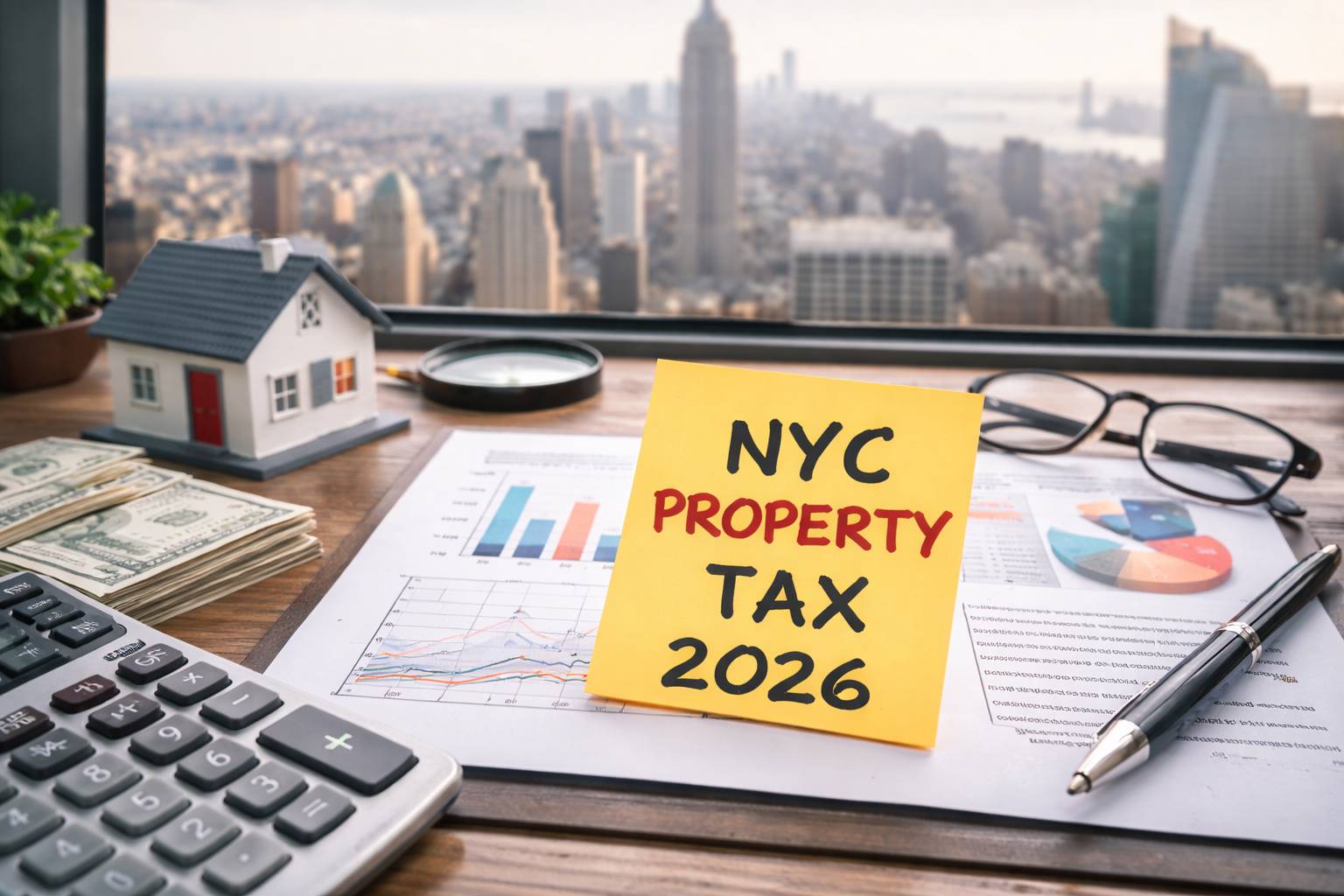
Property taxes are one of the most significant ongoing costs associated with owning real estate in New York. For buyers, sellers, and investors, understanding how New York City property tax rates work in 2026 is essential for budgeting, evaluating transactions, and making informed investment decisions. Because tax obligations are tied directly to property classification and assessed value, even small changes in rates can have a meaningful financial impact.
Real estate tax issues also frequently arise in land sales and development projects, making early awareness of tax structures an important part of transaction planning.
Overview of NYC Final Property Tax Rates for 2026
New York City sets its property tax rates annually based on budgetary needs and statutory limits. The final rates for 2026 apply differently depending on the type of property and how it is classified under city tax law.
Rather than using a single uniform rate for all properties, the city applies different tax rates to residential, commercial, and utility properties. This system is designed to distribute the tax burden across property classes while reflecting differences in property use and value.
Understanding which rate applies to a particular property begins with identifying its classification and assessed value.
Dhruv Baria
I highly recommend Montanarolaw for traffic law matters. They were very knowledgeable about traffic laws and court procedures. They were able to achieve a positive outcome on my case and dismissed all violations Thank you
How 2026 NYC Property Tax Rates Are Calculated
Property tax rates are calculated using a multi-step process that includes determining market value, applying an assessment ratio, and then multiplying the assessed value by the applicable tax rate.
The city’s Department of Finance estimates market value based on comparable properties and income potential where applicable. That value is then adjusted according to statutory assessment ratios tied to the property class. The resulting assessed value is what the tax rate is applied to in order to calculate the final tax bill.
This layered approach means that two properties with similar market values may face different tax obligations depending on how they are categorized and assessed.
Property Classifications and Their Impact on 2026 Tax Rates
New York City divides properties into several classes, including small residential properties, larger residential buildings, utility properties, and commercial properties. Each class is subject to its own tax rate and assessment methodology.
Single family homes and small residential buildings are generally treated differently than apartment buildings or mixed-use properties. Commercial and utility properties often face higher effective tax burdens due to their classification and valuation methods.
Because classification plays such a central role in determining tax liability, disputes frequently arise over whether a property has been properly categorized.
How NYC Property Tax Rates Affect Buyers, Sellers, and Investors
Property tax rates influence purchasing power, sale prices, and investment returns. Buyers must account for annual tax obligations when determining affordability, while sellers may face questions from prospective purchasers about current and projected tax costs.
For investors, property taxes are a key factor in cash flow calculations and long-term profitability. Higher tax burdens can reduce net operating income and affect financing decisions.
Understanding how 2026 tax rates apply to a specific property allows parties to evaluate whether a transaction makes financial sense before committing to a purchase or sale.
Key Differences Between NYC and Long Island Property Tax Structures
While New York City uses a class-based system with centralized assessment and rate setting, Long Island property taxes are determined at the local level by towns, villages, school districts, and counties.
This results in significant variation in tax bills depending on location, even for similar types of properties. Long Island taxes are often driven heavily by school district budgets and local municipal services, whereas New York City’s system is more consolidated.
These structural differences can affect where buyers choose to purchase and how investors compare opportunities between the city and suburban markets.
Property Tax Considerations in Land Sales and Acquisitions
In land sales and development deals, property tax obligations can affect valuation and project feasibility. Vacant land may be taxed differently than developed property, and rezoning or development can trigger reassessment.
Parties involved in land acquisitions must consider not only current taxes but also how future improvements or changes in use will affect tax liability. Unexpected reassessments can significantly alter projected costs and returns.
Careful review of tax status is an important part of due diligence in any land transaction.
Legal Issues That Can Arise From Property Tax Assessments
Disputes over assessed value, classification, and exemptions are common sources of legal conflict. Property owners may believe their property has been overvalued or improperly classified, resulting in excessive tax bills.
Other legal issues arise when tax liens are filed, payments are missed, or exemptions are denied. These matters can lead to enforcement actions or complications in sales and refinancing transactions.
Challenging an assessment or resolving tax-related disputes requires familiarity with administrative procedures and strict filing deadlines.
How Long Island Real Estate Lawyers Can Help
Real estate lawyers assist clients in understanding how property tax rates apply to their specific properties and transactions. They review assessments, evaluate classification issues, and advise on available remedies when tax disputes arise.
Legal guidance is especially important in complex transactions involving land sales, development projects, or commercial properties where tax exposure can be substantial. Early legal review can help prevent costly surprises and protect long-term financial interests.
Get Legal Guidance on Property Tax Issues
Property tax obligations are a critical part of real estate ownership and investment in New York. Understanding how 2026 tax rates are calculated and applied helps buyers, sellers, and investors make informed decisions.
Contact MontanaroLaw today to schedule a consultation and discuss how New York real estate tax rates may affect your transaction and what steps can be taken to address property tax concerns under New York law.
