


The Three Main Types of Easements in Real Estate
Easements are a common feature in real estate law and play an important role in determining how property may be used and accessed. An easement gives one party the legal right to use a portion of another person’s property for a specific purpose, such as access, utilities, or drainage. Understanding the different types of easements is essential for property owners, buyers, and developers because easements can affect property value, development plans, and long-term use.
Disputes over easements often arise when rights are unclear or when property changes hands without proper notice of existing legal obligations.
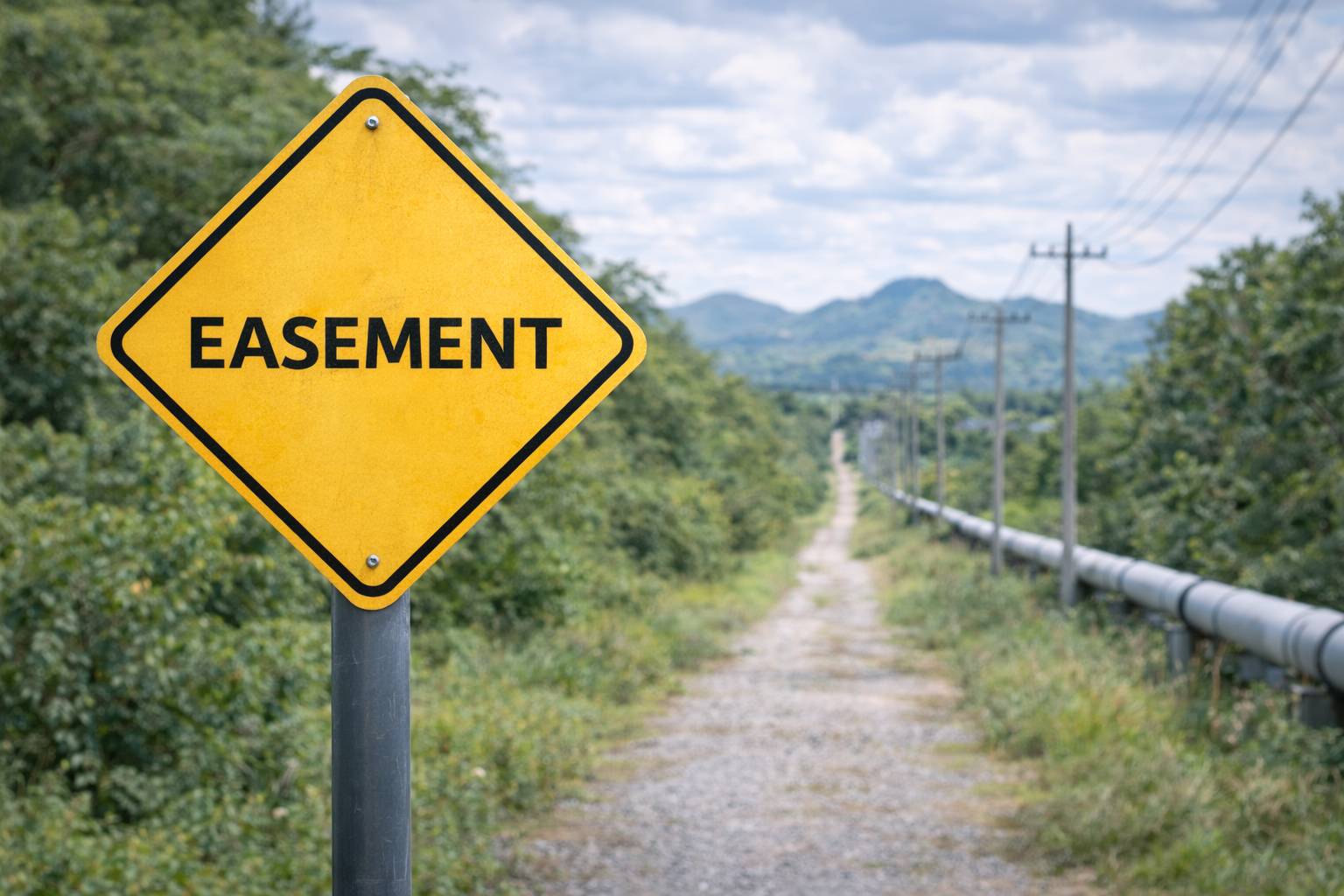
Easements Appurtenant vs. Easements in Gross
Easements generally fall into two broad categories: easements appurtenant and easements in gross. An easement appurtenant benefits a particular piece of property rather than a specific person. It involves two parcels of land, where one property benefits from the easement and the other bears the burden. These easements typically transfer automatically when the benefited property is sold.
An easement in gross benefits an individual or entity rather than a parcel of land. Utility easements are common examples, allowing service providers to access private property to install or maintain infrastructure. Unlike easements appurtenant, easements in gross do not always transfer with property ownership unless specifically stated.
Understanding which type of easement exists is important because it affects who holds the right and how long that right continues.
Pam Mentesana
Montanaro Law was very helpful with some traffic tickets for my family. They were resolved with a reduction or no points and we did not have to go to the court. This was great for those where we would have had to travel to upstate NY, a few hours away. Very easy to work with.
Express Easements Explained
An express easement is created through a written agreement, usually recorded in a deed or other legal document. It clearly defines the location, purpose, and scope of the easement.
Express easements are often used to provide access to landlocked property, allow shared use of driveways, or grant rights for utility lines. Because these easements are documented in writing, they are typically easier to identify and enforce than other types.
Clear language in the agreement helps prevent future disputes by establishing the rights and responsibilities of both the property owner and the party benefiting from the easement.
Prescriptive Easements and How They Are Established
A prescriptive easement arises through long term, continuous, and open use of another person’s property without permission. Over time, this use can become legally recognized if it meets specific legal requirements.
To establish a prescriptive easement, the use must generally be visible, uninterrupted, and adverse to the property owner’s interests for a statutory period. This often occurs when someone regularly uses a path, road, or portion of land as if they had a legal right to do so.
Prescriptive easements can be controversial because they are created without formal agreement and may surprise property owners who were unaware of the legal consequences of allowing long term use.
Implied Easements Through Prior Use or Necessity
Implied easements are created by law based on the circumstances surrounding the division of property. They are not written into a deed but are inferred from prior use or necessity.
An implied easement by prior use may arise when two parcels were once part of the same property and one portion depended on the other for access or utilities before they were separated. An implied easement by necessity typically occurs when a parcel becomes landlocked after a subdivision and requires access through another property to reach a public road.
These easements are based on fairness and practicality and are intended to ensure reasonable use of property even when no formal agreement exists.
Get Legal Guidance on Easements
Easements can significantly affect how property is used, developed, and transferred. Whether an easement is created by agreement, long term use, or necessity, it creates legal rights that must be respected.
Understanding the different types of easements helps property owners and buyers identify potential issues before they become disputes. Legal guidance can clarify the scope of existing easements and assist in resolving conflicts when rights are challenged.
Contact MontanaroLaw today to schedule a consultation and discuss how easements may affect your property and what steps can be taken to protect your interests under New York real estate law.
