
• Skip to primary navigation
  • Skip to main content
  • Skip to primary sidebar
  • Skip to footer

Long Island Law Firm - New York - MontanaroLaw P.C

  • English
  • Español (Spanish)

Call For A Free Case Evaluation

516-203-1700

Hablamos Español

  • Home
  • About Us
    • Our Team
    • Core Values
    • Career Opportunities
    • Client’s Rights
  • Our Services
    • Business
      • Advertising & Marketing
      • Business Formation
      • General Counsel
      • Health Care Contract
      • Intellectual Property
    • Litigation
    • Estate Planning
      • Wills
      • Trusts
      • Probate
    • Criminal Defense
      • Assault
      • Domestic Violence
      • DUI / DWI
      • Suspended License
    • Medical Malpractice
    • Personal Injury
      • Bicycle Accidents
      • Car Accidents
      • Motorcycle Accidents
      • Truck Accidents
      • Pedestrian Accidents
      • Wrongful Death
    • Real Estate
      • Landlord Tenant
    • Traffic Tickets
      • CDL Tickets
      • Speeding Tickets
      • Cell Phone Tickets
      • Distracted Driving
      • DMV Point System
  • Reviews
  • Resources
    • Latest News
    • County Court Directory
  • Events
  • Contact Us
CALL US NOW
EMAIL US NOW

February 4, 2026 by montanarolaw

What Are Riparian Rights and Why Do They Matter

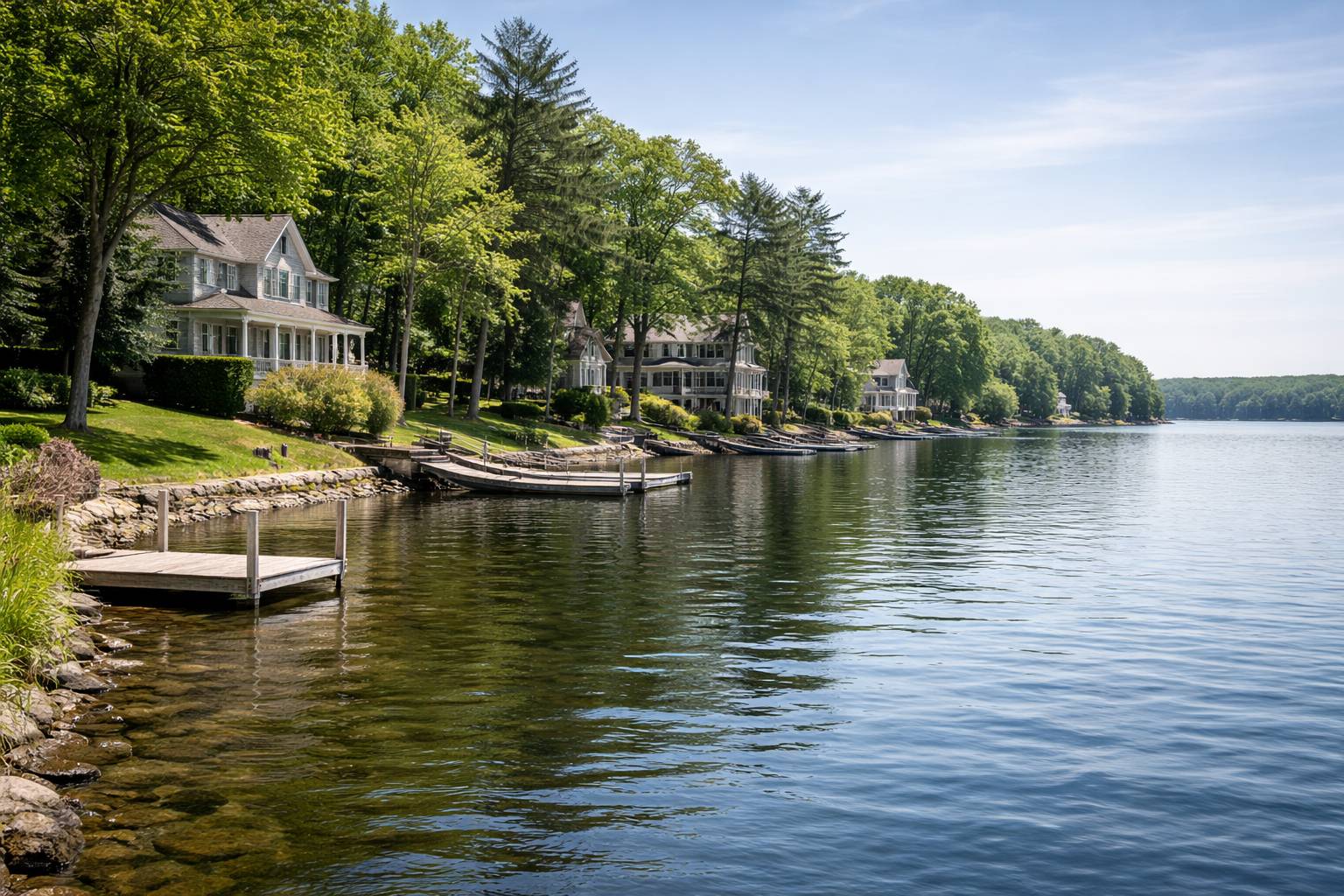
Riparian rights are a key part of real estate and property law for landowners whose property borders rivers, lakes, or other natural waterways. These rights govern how water may be used and accessed and often affect property value, development potential, and neighbor relationships. Understanding riparian rights is essential for anyone who owns or plans to purchase waterfront property.

Disputes over water access and usage can quickly become complex legal matters, making it important to understand how these rights are defined and enforced.

Understanding Your Legal Rights

Riparian rights generally belong to property owners whose land directly touches a natural body of water. These rights may include reasonable use of the water for purposes such as irrigation, recreation, and household needs, as well as the right to access the water from the property.

However, riparian rights are not unlimited. Property owners must use the water in a way that does not unreasonably interfere with the rights of others who share the same water source. What qualifies as reasonable use depends on the circumstances, the type of water body, and applicable state and local laws.

Ownership of waterfront property does not always guarantee exclusive control over the water. Legal boundaries, historical use, and regulatory restrictions can all affect the scope of these rights.

MC

Millie Chaparro

★★★★★

A big shout out to Montanaro Law, PC. It was an easy and great experience. Everything was handled accordingly and precisely the way i expected. Mark and his team are great. I would 100% use them in the future if needed to. I highly recommend his services.

The Public Trust Doctrine Explained

The public trust doctrine is a legal principle that holds certain natural resources, including navigable waters, in trust for public use. Under this doctrine, the government is responsible for protecting public access to waterways for purposes such as navigation, fishing, and recreation.

This means that even when a property owner has riparian rights, those rights may be limited by the public’s right to use and enjoy the water. In many cases, the shoreline or submerged land beneath navigable waters is considered public property, restricting how far private ownership extends.

The public trust doctrine plays a major role in disputes involving shoreline development, docks, and exclusive use claims.
Photo of desk docs

The Role of the Department of Natural Resources (DNR)

State environmental and natural resource agencies are responsible for regulating water use and protecting public waterways. These agencies often oversee permitting for docks, shoreline modifications, and water withdrawals.

Their role is to balance private property rights with environmental protection and public access. Even when a landowner has riparian rights, agency approval may be required before altering the shoreline or using water for certain purposes.

Failure to comply with these regulations can result in fines, project delays, or orders to remove unauthorized structures.

Bottom Line: How Are Your Rights Determined

Riparian rights are shaped by a combination of property boundaries, state law, historical use, and regulatory oversight. Deeds and surveys may define how far ownership extends, while statutes and court decisions determine how water may be used.

Disputes often arise when neighboring landowners disagree about access, when development affects water flow, or when public access conflicts with private use. These conflicts require careful legal analysis and, in some cases, court intervention.

Understanding riparian rights before purchasing or developing waterfront property can help avoid costly disputes and protect long term property interests.

Get Legal Guidance for Riparian Rights Issues

Waterfront property offers unique benefits, but it also comes with unique legal responsibilities. Riparian rights affect how land may be used, what structures may be built, and how water resources are shared.

Contact MontanaroLaw today to schedule a consultation and discuss how riparian rights may affect your property and what steps can be taken to protect your legal interests under New York real estate law.

About montanarolaw

Related Articles

When to Use a Real Estate License Agreement Instead of a Lease

How to Form a Holding Company in New York

PLLC vs. LLC in New York: What Professionals Should Know

Primary Sidebar

    Free In-Depth

    No Obligation Case Evaluation


    Latest News

    Real estate contract in progress

    How Partial Performance Applies in Real Estate Contracts

    February 9, 2026 By montanarolaw

    … Read More about How Partial Performance Applies in Real Estate Contracts

    Photo of Agreements

    When to Use a Real Estate License Agreement Instead of a Lease

    February 9, 2026 By montanarolaw

    … Read More about When to Use a Real Estate License Agreement Instead of a Lease

    Understanding the FARE Act in New York City

    February 9, 2026 By montanarolaw

    … Read More about Understanding the FARE Act in New York City

    NYC property tax overview 2026

    New York Real Estate Tax Rates for 2026

    February 8, 2026 By montanarolaw

    … Read More about New York Real Estate Tax Rates for 2026

    View More

    Testimonials

    Sonal G

    New York, NY

    Mark was referred to me by another colleague. My experience has been nothing but perfect with Mark. He was always available to answer questions and timely address the issues. Whatever he told me at the time of initial consultation is exactly how he performed. I found him rea(...)

    Dawnmarie F.

    New York, NY

    Mark is an extremely knowledgeable attorney. He knew exactly where we would stand with my son’s tickets prior to arriving in court. I highly recommend Mark for all traffic ticket concerns in Nassau and Suffolk County. You will not be disappointed!

    Linda D

    New York, NY

    His office (Shannon) was efficient, thorough, professional and readily available. Mark handled the whole case without my losing anytime from work. He also pleaded my traffic ticket down to littering with no points or insurance increase. Greatly appreciate his experience, (...)

    Lauren L.

    Farmingdale, NY

    MontanaroLaw provided excellent service! They are always super quick to respond. Their Communication was always clear and understandable…


    Read More
    • 100 Broadhollow Road, Suite 100
      Farmingdale, NY 11735
    • 516-203-1700
    • info@montanarolaw.com
    Get Directions
    • 274 Madison Avenue, Suite 901
      New York, NY 10016
    • 347-328-5600
    • info@montanarolaw.com
    Get Directions

    Connect With Us!

    © 2025 MontanaroLaw, P.C. All Rights Reserved. | Terms of Service | Sitemap | Privacy Policy

    • English
    • Español (Spanish)