


What Condemnation Means in Real Estate Law
Condemnation is a legal concept in real estate law that often causes confusion and concern for property owners. It typically arises when a government entity seeks to take private property for public use or when a property is deemed unfit for occupancy. Understanding what condemnation means and how it works is essential for protecting property rights and responding appropriately when government action affects real estate ownership.
Condemnation can have serious financial and legal consequences, making it important to understand both the process and the options available to property owners.
What Is Condemned Property
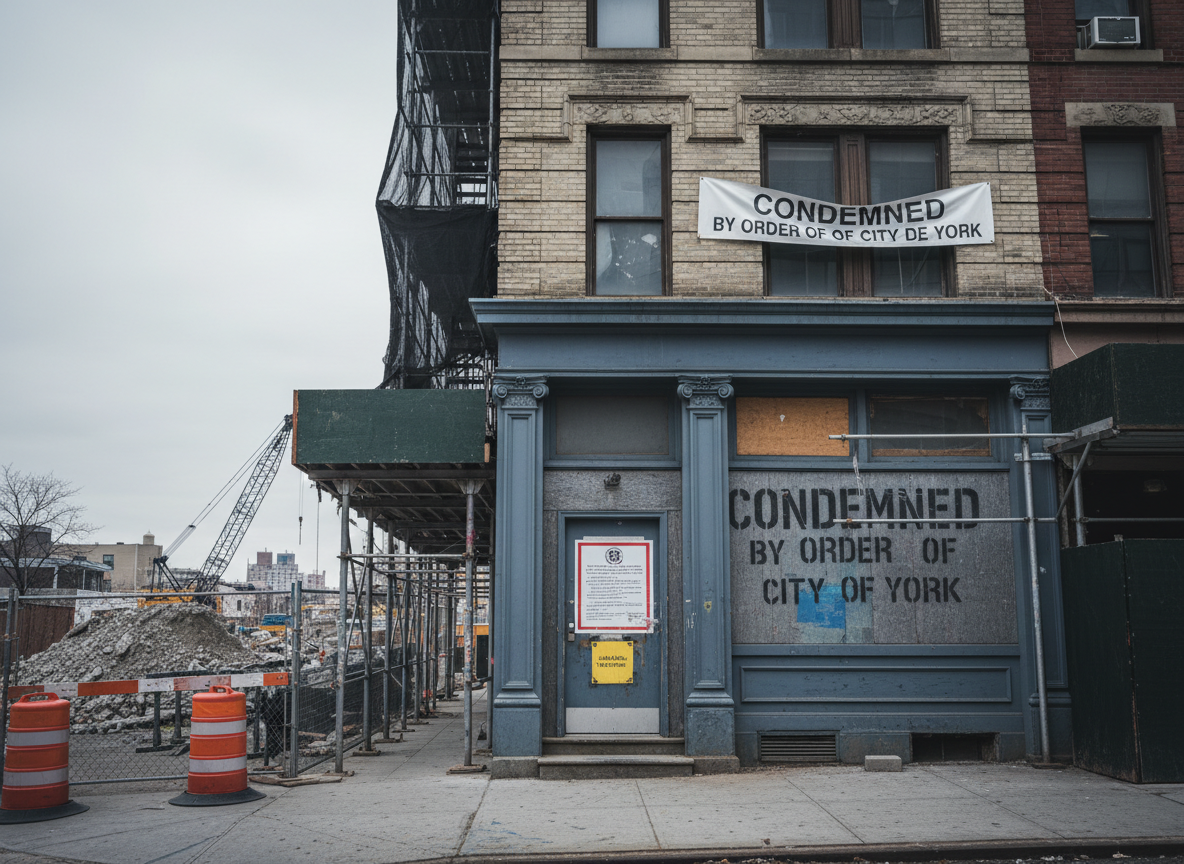
Condemned property is real estate that has been declared legally unfit for use or subject to government seizure under the power of eminent domain. A property may be condemned due to unsafe conditions such as structural damage, health hazards, or code violations that render it dangerous for occupancy.
In other situations, property is condemned because it is needed for a public project, such as road construction, utilities, or redevelopment initiatives. In these cases, condemnation does not necessarily mean the property is unsafe, but rather that it is being acquired for public use.
Luis Morales
My favorite Estate planning lawyer. He is very helpful and knowledgeable on the subject and will help you plan for your future based on what best suits you.The staff is also very friendly and welcoming. They always want to assist with any inquiries. I was helped by Cynthia and Jose. The free consultation was a plus because it helped me understand more on a subject I didn’t know much about. I had gone to other law firms on the subject but really wasn’t clear on the matter until I met with Mark. Great overall experience and 100% recommend.Outstanding experience Montanaro law made creating our family trust effortless with clear guidance and heartfelt support. My parents had many questions and everything was answered
Take the First Step Toward the Right Mortgage Solution
When a property becomes subject to condemnation, its marketability and financing options can be affected. Lenders may be unwilling to issue or maintain a mortgage on property facing legal uncertainty or potential government acquisition.
Property owners dealing with condemnation may need to reevaluate their financial strategy, particularly if relocation or reinvestment becomes necessary. Understanding how condemnation affects mortgage obligations and future purchasing power can be an important part of navigating the process.
What Is Eminent Domain
Eminent domain is the legal authority that allows the government to take private property for public use, provided that the owner receives just compensation. This power is rooted in both federal and state law and is commonly used for infrastructure projects, public facilities, and urban development.
While the government has the authority to acquire property through eminent domain, it must follow strict legal procedures. Property owners are entitled to notice, an opportunity to challenge the taking, and fair compensation based on the property’s value.
What to Do If You Receive a Notice of Condemnation
Receiving a notice of condemnation can be overwhelming, but immediate action is important. Property owners should carefully review the notice to understand the basis for the condemnation and the timeline involved.
In some cases, condemnation may be based on code violations or unsafe conditions that can be corrected. In others, it may relate to a planned public project. Understanding the reason for the notice helps determine whether the property can be repaired, contested, or subject to mandatory acquisition.
Legal guidance can help clarify available options and ensure that deadlines and procedural requirements are met.
How the Condemnation Process Works
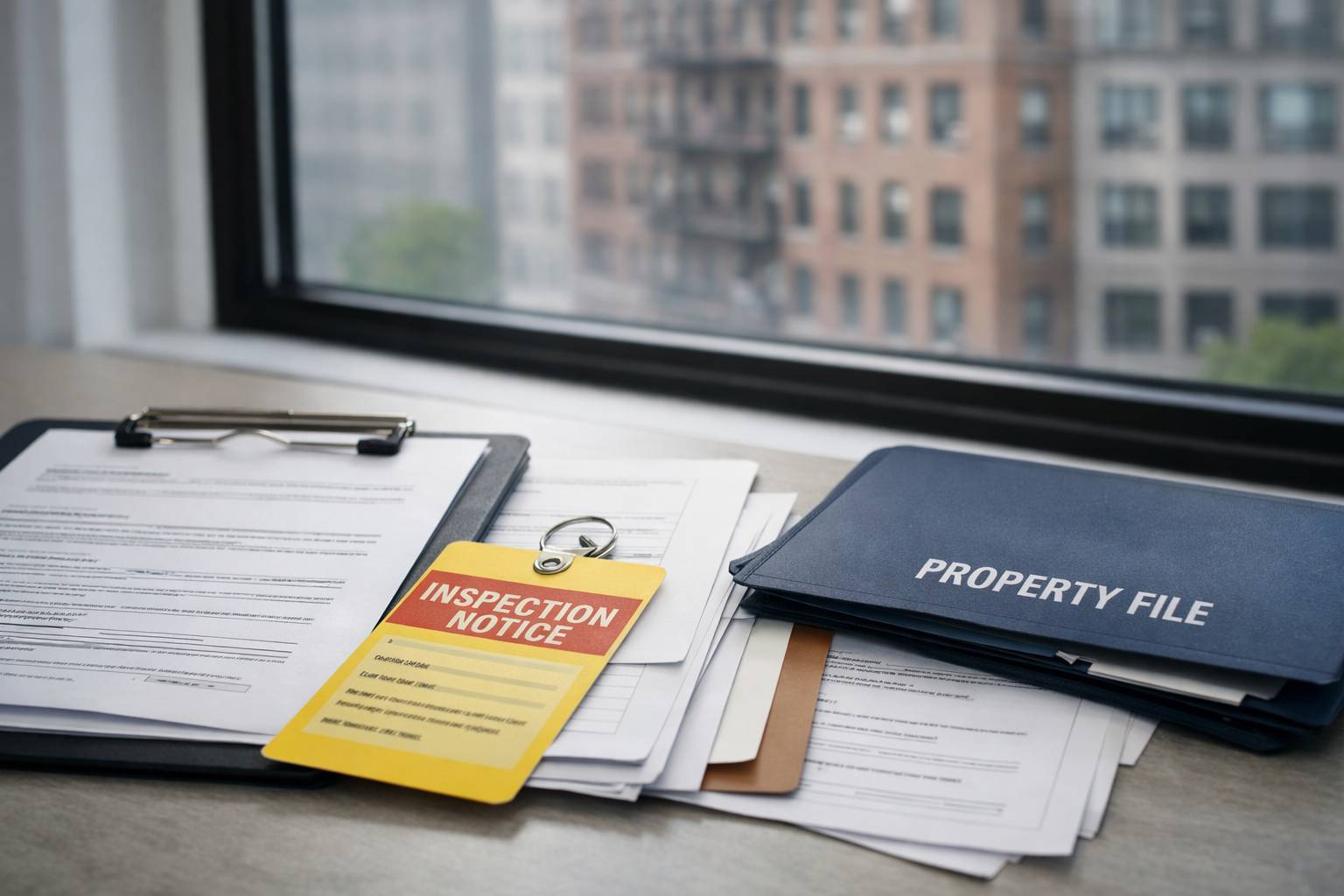
The condemnation process typically begins with an inspection or determination by a government agency that the property is unsafe or needed for public use. The owner is then notified and given an opportunity to respond or take corrective action if applicable.
If the property is being taken through eminent domain, the government must initiate legal proceedings and provide compensation based on an appraisal or valuation. Property owners may dispute the valuation or challenge whether the taking meets the legal definition of public use.
Throughout the process, strict procedural rules govern timelines, notices, and rights of appeal.
Understanding the Inverse Condemnation Process
Inverse condemnation occurs when the government effectively takes or damages private property without formally initiating condemnation proceedings. This can happen when government actions, such as construction, zoning changes, or flooding, significantly interfere with the use or value of property.
In these situations, the property owner initiates legal action to seek compensation for the loss. Unlike traditional condemnation, inverse condemnation claims arise after the harm has occurred rather than before a formal taking.
These cases often involve complex legal and factual questions about responsibility, causation, and valuation.
Get Legal Guidance for Condemnation Matters
Condemnation and eminent domain issues can dramatically affect property ownership, financial stability, and long-term planning. Whether a property has been declared unsafe or targeted for public use, understanding legal rights and remedies is essential.
Contact MontanaroLaw today to schedule a consultation and discuss options for responding to condemnation, protecting property interests, and pursuing fair compensation under New York real estate law.
